How to Start Composting at Home: A Comprehensive Beginner’s Guide
If you’re wondering how to start composting at home, you’re in the right place. Composting is a simple, eco-friendly way to turn your kitchen scraps and yard waste into nutrient-rich soil that can supercharge your garden. Whether you have a sprawling backyard or a tiny apartment balcony, starting a compost system is accessible, cost-effective, and rewarding. In this guide, we’ll walk you through everything you need to know, from the basics to advanced tips, ensuring you avoid common pitfalls and achieve success right from the start. By the end, you’ll be equipped to create your own “black gold” for healthier plants and a greener planet.
Why Start Composting at Home? The Benefits You Can’t Ignore
Before diving into the how-to, let’s explore why composting at home is worth your time. In 2025, with climate change accelerating and sustainable living on the rise, composting has become more than a hobby-it’s a necessity. According to environmental experts, food waste accounts for about 8% of global greenhouse gas emissions, much of which comes from landfills where organic matter decomposes anaerobically, releasing methane. By composting at home, you divert this waste, reducing your carbon footprint significantly.
From a gardening perspective, homemade compost improves soil structure, enhances water retention, and provides essential nutrients like nitrogen, phosphorus, and potassium. This means healthier plants with stronger roots, better resistance to pests, and higher yields—perfect for vegetable gardens or flower beds. Studies from agricultural extensions show that gardens amended with compost can see up to 20-30% increases in plant growth compared to those without.
Financially, it’s a win too. The average household throws away hundreds of dollars in potential fertilizer each year through food scraps. Composting saves money on store-bought soil amendments and reduces trash volume, potentially lowering waste disposal costs. Plus, it’s therapeutic—many gardeners report reduced stress from the hands-on process of nurturing a compost pile.
Environmentally, composting supports biodiversity by fostering beneficial microbes, worms, and insects in your soil. In urban areas, it aligns with 2025 trends like “meadow mania” and native plant gardening, where enriched soil helps low-maintenance, pollinator-friendly landscapes thrive. If you’re new to gardening, starting with composting builds confidence, as it’s forgiving and yields visible results in months.
What You’ll Need to Get Started
Getting set up for composting at home doesn’t require fancy equipment. Here’s a breakdown of essentials:
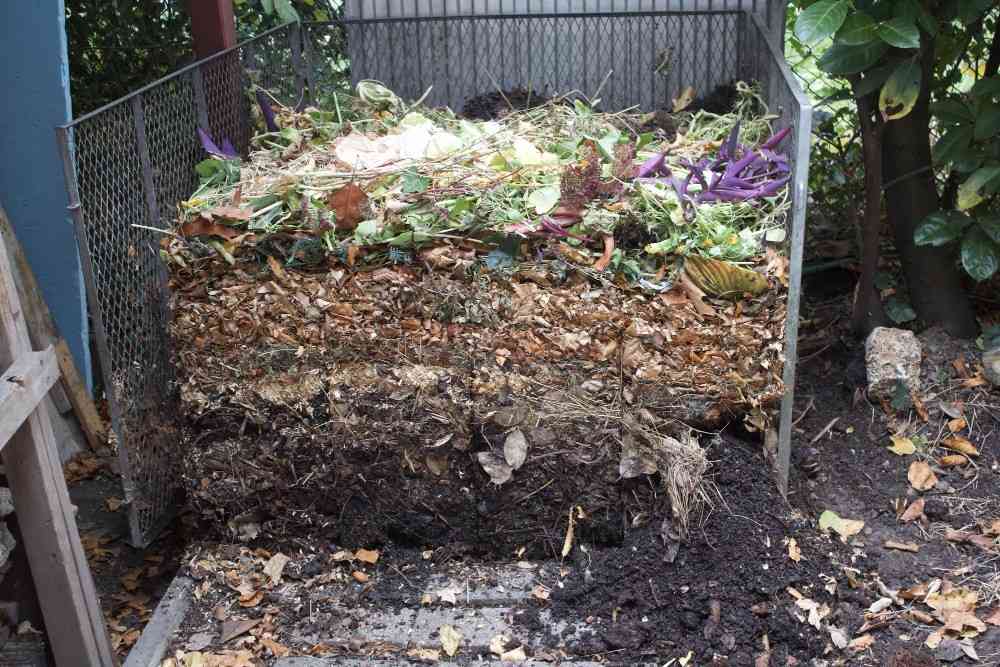
- Container or Bin: For backyard composting, a simple wooden pallet bin or tumbler works. Apartment dwellers can use a worm bin (vermicomposting) or Bokashi bucket. Aim for something at least 3x3x3 feet for outdoor piles to generate heat efficiently.
- Brown Materials (Carbon-Rich): These provide structure and balance moisture. Examples include dry leaves, cardboard, newspaper shreds, twigs, and wood chips. Collect them in fall for year-round use.
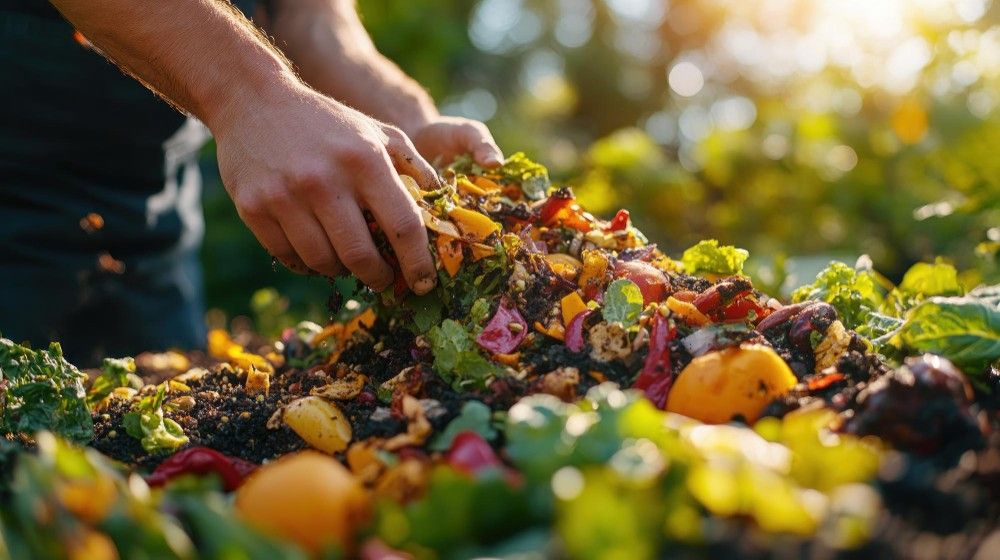
- Green Materials (Nitrogen-Rich): These fuel decomposition. Include fruit and vegetable peels, coffee grounds, tea bags, grass clippings, and eggshells. Avoid meat, dairy, or oily foods to prevent odors and pests.
- Tools: A pitchfork or aerator for turning, a watering can for moisture control, and gloves for handling. Optional: A compost thermometer to monitor internal heat (ideal 130-160°F).
- Location: Choose a shady, well-drained spot near a water source, away from direct sun to prevent drying out.
Budget-wise, you can start for under $50 by DIY-ing a bin from pallets or wire fencing. For convenience, tumblers cost $100-200 but speed up the process.
Step-by-Step Guide: How to Start Your Compost Pile
Now, the core of how to start composting at home—follow these steps for foolproof results.
- Choose Your Method: Decide based on space. Backyard heap for large volumes; tumbler for easy turning; vermicomposting for indoors (using red wiggler worms); or Bokashi for fermented, odor-free apartment composting.
- Set Up Your Bin or Pile: Place it on bare soil for worm access. Start with a 4-6 inch base of bulky browns like twigs for aeration and drainage.
- Layer Materials: Alternate greens and browns in a 1:3 ratio by volume (more browns to avoid sogginess). Chop larger items to speed breakdown. Add a handful of garden soil to introduce microbes.
- Moisten and Mix: Water until the pile feels like a wrung-out sponge. Turn weekly with a fork to aerate, promoting aerobic bacteria that decompose without smell.
- Monitor Progress: In 2-3 months (faster in warm weather), check for earthy smell and crumbly texture. If it’s too wet, add browns; too dry, water more.
- Harvest and Use: Sift out unfinished bits and spread the compost. It should be dark and rich, ready for gardens.
For visual learners, imagine layering like a lasagna: browns at bottom, greens on top, repeat.
Types of Composting Systems for Different Homes
Not all composting is the same—choose based on your lifestyle.
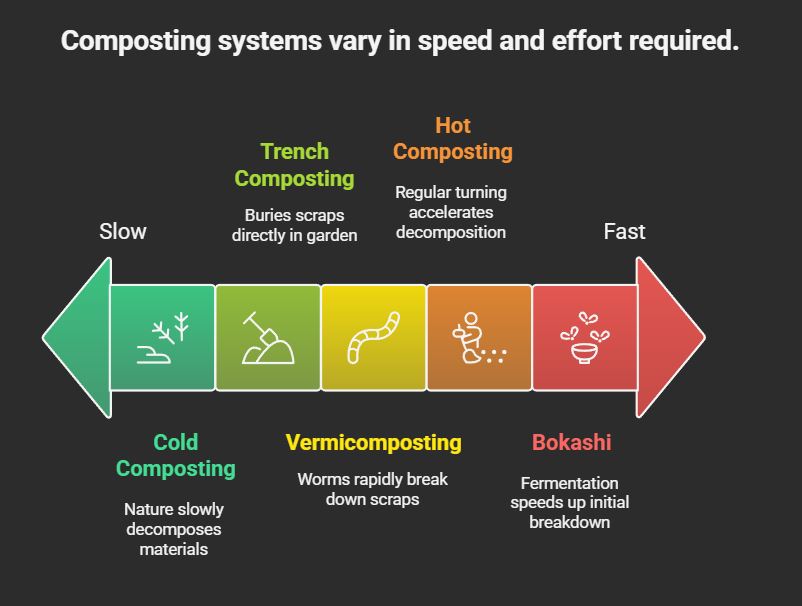
- Cold Composting: Low-effort heap method. Pile materials and let nature work slowly (6-12 months). Ideal for beginners with space.
- Hot Composting: Turn regularly to heat up, killing weeds and pathogens. Ready in 1-3 months; requires monitoring.
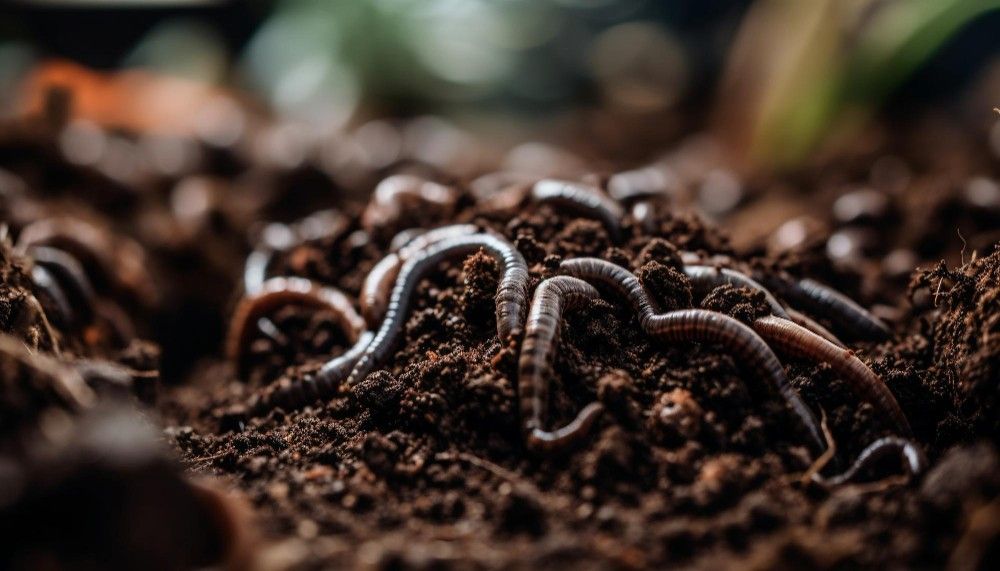
- Vermicomposting: Worms eat scraps in a bin. Odorless, indoor-friendly, produces worm castings (super-fertilizer). Start with 1,000 worms in a plastic bin.
- Bokashi: Ferment scraps with microbes in a sealed bucket. Quick (2 weeks), then bury or add to traditional compost. Great for apartments.
- Trench Composting: Dig trenches in garden beds, bury scraps directly. No bin needed, enriches soil in place.
In 2025, hybrid systems like smart composters with apps for monitoring moisture and temperature are gaining popularity for tech-savvy gardeners.
Troubleshooting Common Composting Problems
Even pros face issues—here’s how to fix them.
- Bad Odors: Often from too many greens or lack of air. Solution: Add browns and turn more frequently.
- Pests (Flies, Rodents): Avoid attractants like meat. Bury scraps deep and cover with browns. Use a screened bin.
- Slow Decomposition: Cold weather or imbalance. Shred materials finer, ensure moisture, and add activators like manure.
- Too Wet/Dry: Test by squeezing—a few drops mean perfect. Adjust with water or dry browns.
Track with a journal: Note additions, turns, and observations. If problems persist, test pH (ideal 6-8) with a kit.
Advanced Tips for Optimal Composting in 2025
Once basics are down, elevate your game.
- Seasonal Adjustments: In spring, add more greens from pruning. Fall: Stockpile leaves. Winter: Insulate piles with tarps.
- Compost Accelerators: Use natural boosters like comfrey leaves or urine (diluted) for nitrogen kicks.
- Integration with Gardening Trends: Align with 2025’s “reimagining the lawn” by composting clippings for meadow gardens. Use compost to support milkweed for monarch butterflies or native plants in parkways.
- Engagement Triggers: Embed a simple compost calculator: Input greens/browns volumes, and it suggests ratios (e.g., 4 parts browns to 1 green for balance). This increases dwell time.
Real user stories: “I started composting last year and my tomato yield doubled!” – Sarah, home gardener.
Using Your Compost in the Garden
Finished compost is versatile.
- Soil Amendment: Mix 2-4 inches into beds before planting for nutrient boost.
- Mulch: Spread around plants to suppress weeds and retain moisture.
- Potting Mix: Blend 1/3 compost with soil and perlite for containers.
- Lawn Topdressing: Rake thin layer over grass for healthier turf without chemicals.
In vegetable gardens, it prevents diseases by improving drainage. For flowers, it enhances blooms. Always screen for lumps before use.
Building a Composting Community and Long-Term Success
Want to take your composting journey further and connect with others? Start by exploring more of our site—check out articles like like “Organic Gardening in Small Spaces,” “Organic Pest Control for Tomato Plants in Pots,” or “How to Grow Herbs Indoors Without Sunlight” to see how composting fits into your whole gardening adventure.
Beyond your own pile, team up with others to keep growing! Join local groups on apps like Nextdoor or Facebook where gardeners share tricks—maybe you’ll find free leaves or a fix for a soggy heap. In 2025, community composting hubs are popping up, from city rooftops to neighborhood spots, turning shared spaces into eco-havens. Why not share your extra compost with a friend, school, or local farm? It’s your chance to make a difference and build a network.
By following this guide, you’re mastering how to start composting at home and turning waste into garden gold that’ll make your plants thrive. Start with a small bin, turn it weekly, and watch your soil transform. Got questions, a composting win, or a funny fail? Drop it in the comments—we’re all here to learn together and see your efforts bloom!