Drip Irrigation vs Soaker Hose for Raised Beds: Which One Actually Works?
Soaker Hose or Drip Irrigation The honest guide for raised-bed gardeners.
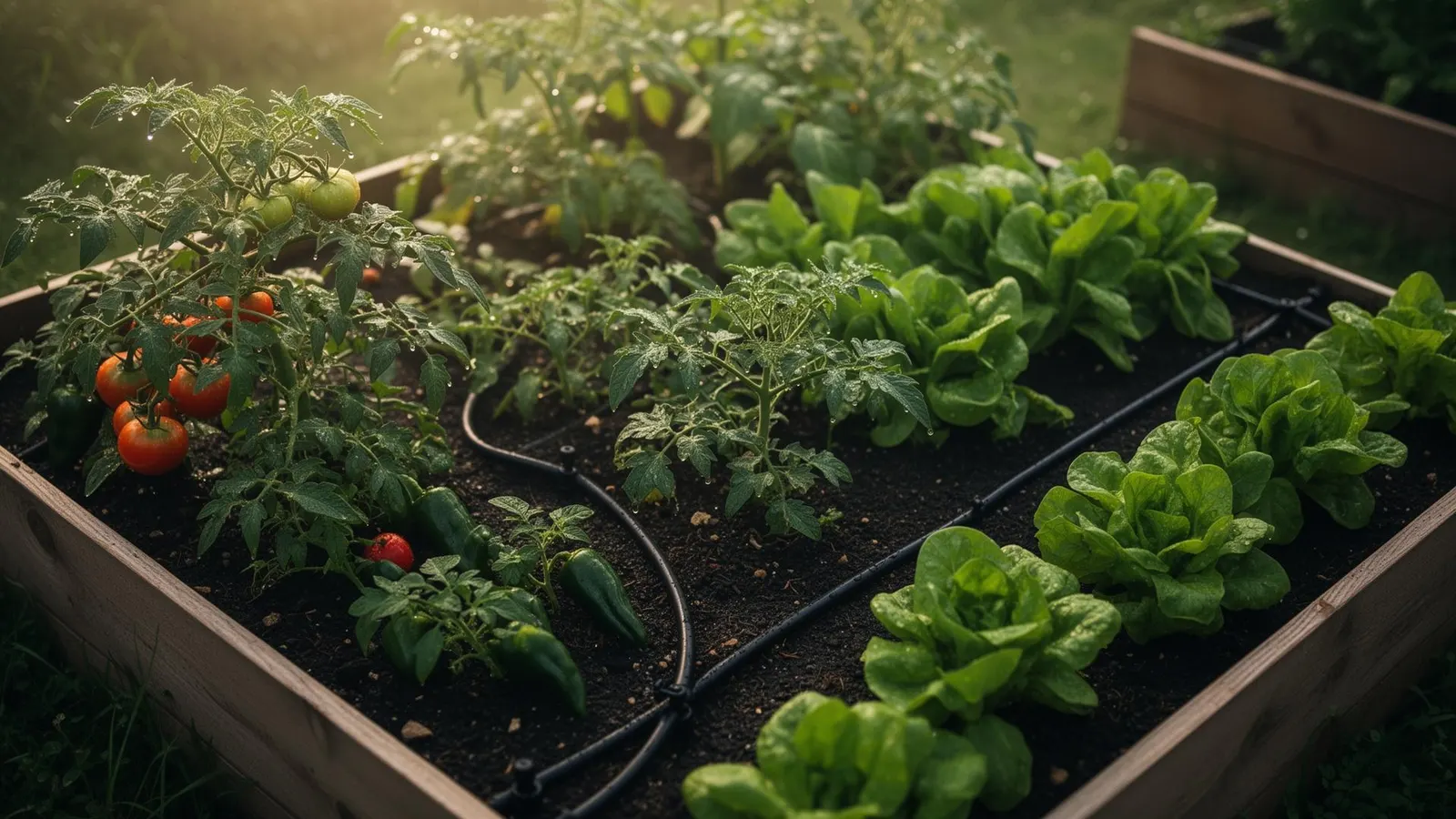
Soaker hose wins for 1–2 beds on a budget. Drip irrigation wins for 3+ beds, tomatoes, peppers, or anything disease-prone.
If you’re still not sure after that sentence — keep reading. The decision is simpler than most guides make it.
Our top picks before you read further
What’s actually different between these two systems
Most articles describe what drip irrigation and soaker hoses are. This one assumes you know the basics and focuses on what matters for raised-bed gardeners specifically: which system fits your setup, your budget, and the crops you’re actually growing.
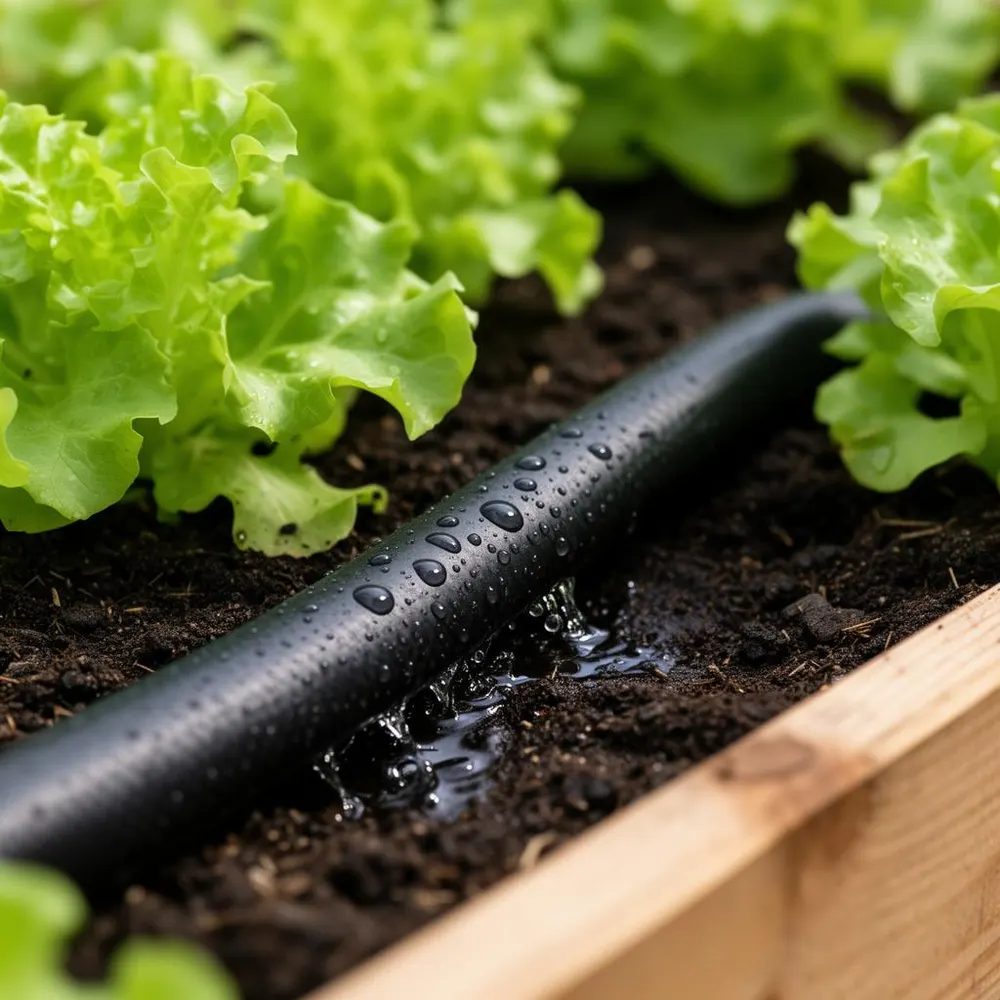
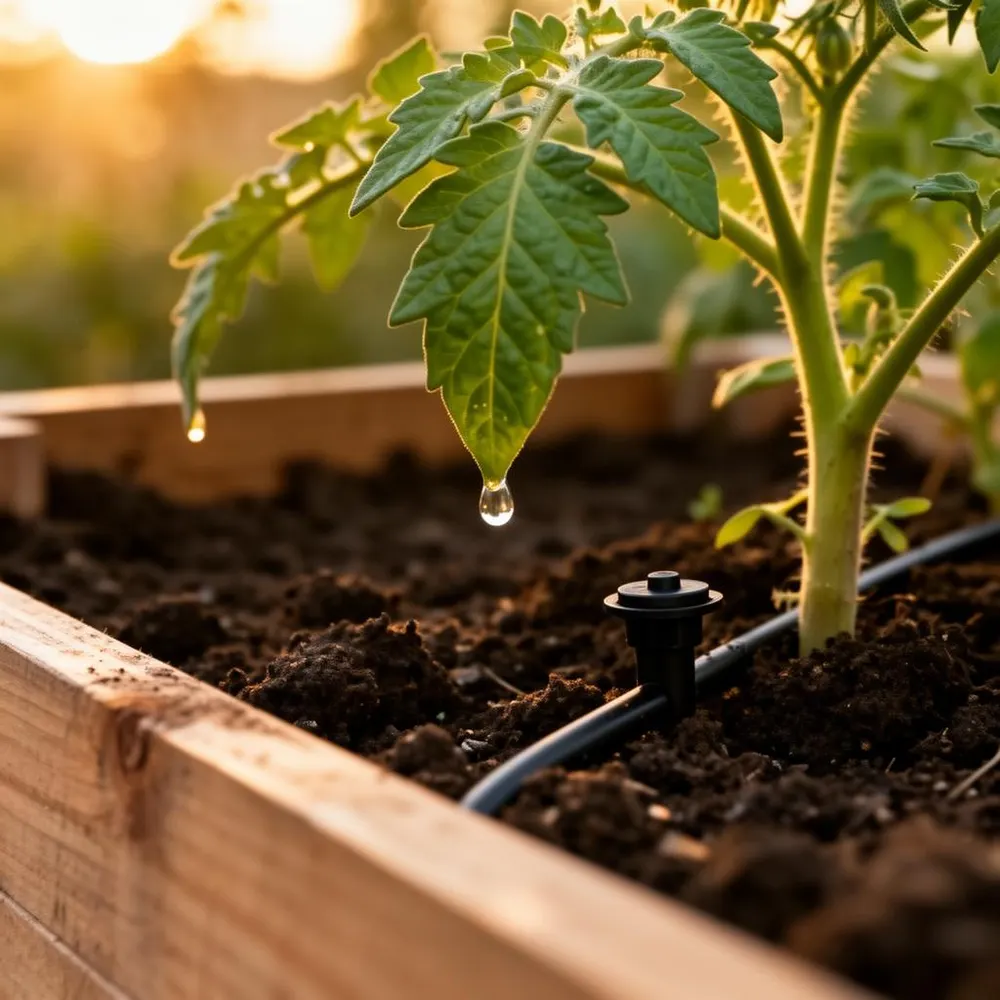
The key difference isn’t how much water they use. It’s where the water goes — and how much control you have over it.
The comparison that actually matters
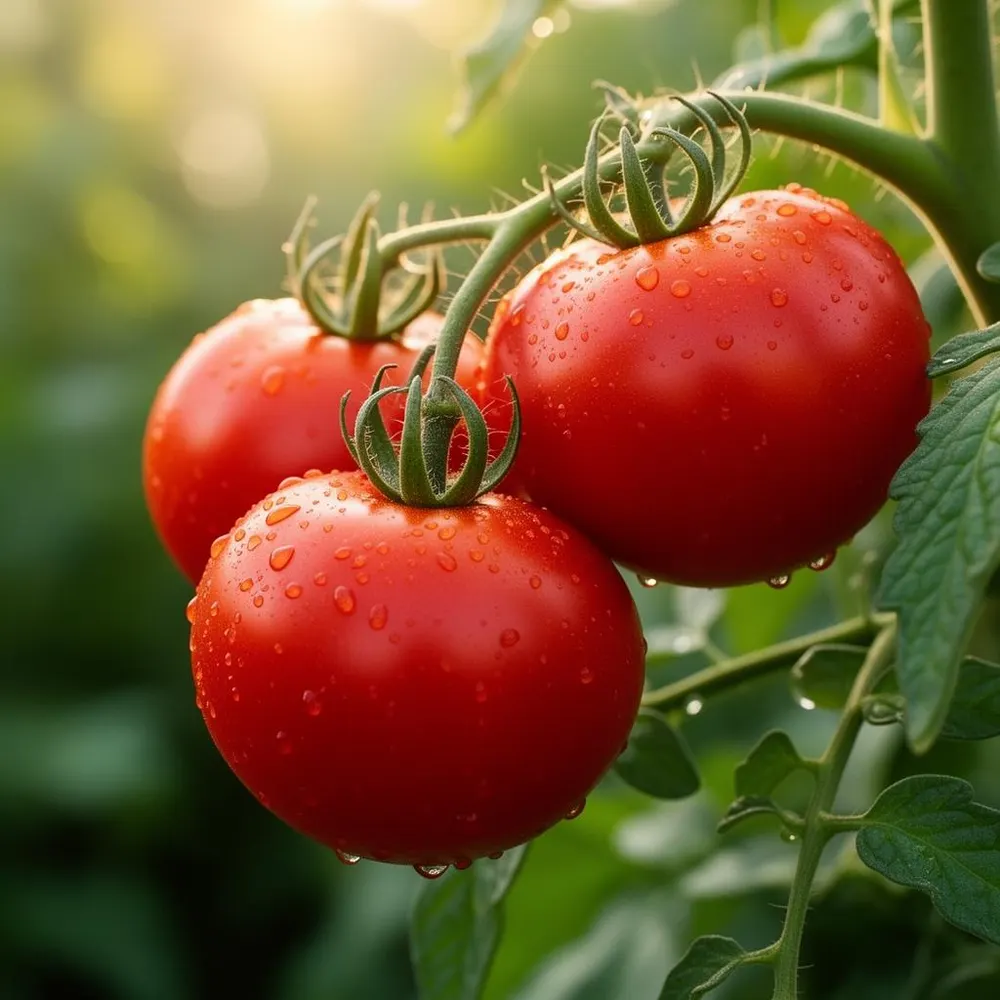
Why drip wins for tomatoes & peppers
This is the detail most gardeners miss. Tomatoes and peppers are unusually sensitive to two things: inconsistent moisture and wet foliage.
Inconsistent moisture causes blossom end rot — the dark, sunken patch that ruins fruit after weeks of careful growing. It’s a calcium absorption issue, not a soil issue, and irregular watering is the trigger.
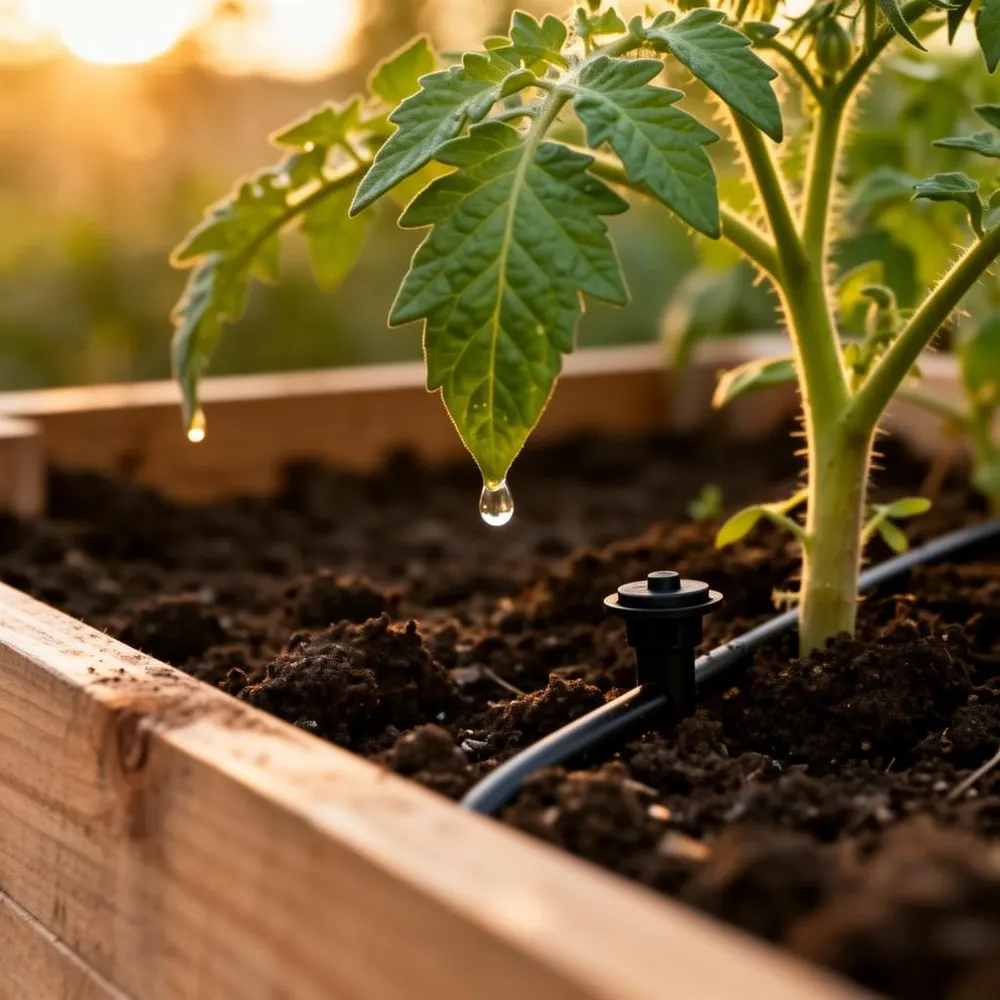
Wet foliage spreads early blight, late blight, and septoria leaf spot. A soaker hose keeps leaves dry but waters unevenly along its length. Drip emitters deliver the same amount to every plant, every time.
For lettuce and herbs, the choice is about budget. For tomatoes, drip is meaningfully better — not marginally.
Which one is right for you?
When simple wins.
- You have one or two beds and want to start today
- You’re growing dense crops — lettuce, spinach, carrots
- Beds are flat and under 25 ft per run
- You want something to coil up and store each winter
When precision pays off.
- Three or more beds on one shared mainline
- Tomatoes, peppers, cucumbers, eggplant
- Sloped beds where pressure matters
- You plan to expand your garden over the years
Start with one. Upgrade later.
You don’t have to commit to one system forever. A practical approach for new gardeners: start with a soaker hose on your first bed. Run it for one season. Learn how your soil absorbs water, how long beds take to soak through, how your plants respond.
When you add a second or third bed — which most gardeners do — that’s when you convert to drip. The soaker hose doesn’t go to waste. Keep it for dense lettuce beds where precise emitter placement doesn’t matter. Run drip lines to the tomatoes and peppers.
For a single 4×4 bed of salad greens on a budget, soaker hose wins on cost. For anything larger or more serious, drip pays for itself.
Common questions
Can I use both systems in the same garden?
How long should I run a soaker hose?
What length do I need for a 4×8 raised bed?
Do I need a pressure regulator for a soaker hose?
How do I winterize my drip system?
The bottom line.
If you have one or two beds, a limited budget, and you’re growing greens and herbs — buy a soaker hose, add a mechanical timer, and call it done. You’ll spend $40–60 total and gain back an hour a day you were spending holding a hose.
If you have three or more beds, you’re growing tomatoes or peppers, or you want a system you can expand for the next ten years without starting over — set up drip irrigation properly the first time. The weekend it takes to install pays dividends every season.
Either way, add a timer. Watering on a consistent schedule is the single change that has the biggest impact on plant health and yield.
Links on this page go to Amazon. TWC Gardening earns a small commission on purchases at no extra cost to you. We only recommend products we’d actually use.