![What Gardening Tools Do You Actually Need? [Take the Quiz]](https://twcgardening.com/wp-content/uploads/2026/04/what-tool1.jpg "What Gardening Tools Do You Actually Need? [Take the Quiz]")
What Gardening Tools Do You Actually Need?
Seven honest questions. Find out which tools belong in your shed — and skip the ones that’ll just collect dust.
Walk into any garden center and you’ll see hundreds of tools. Most of them you’ll never use. A few of them will become indispensable. The difference comes down to one thing: how you actually garden.
The right tool set for someone with a small container garden on a balcony looks nothing like the kit a raised-bed vegetable grower needs. And neither of those looks like what a homeowner managing a large yard and multiple beds actually reaches for.
This quiz figures out which category you fall into, then tells you exactly which tools are worth buying — and links you to find them. No filler. No tool that “every gardener must own” if it doesn’t apply to you.
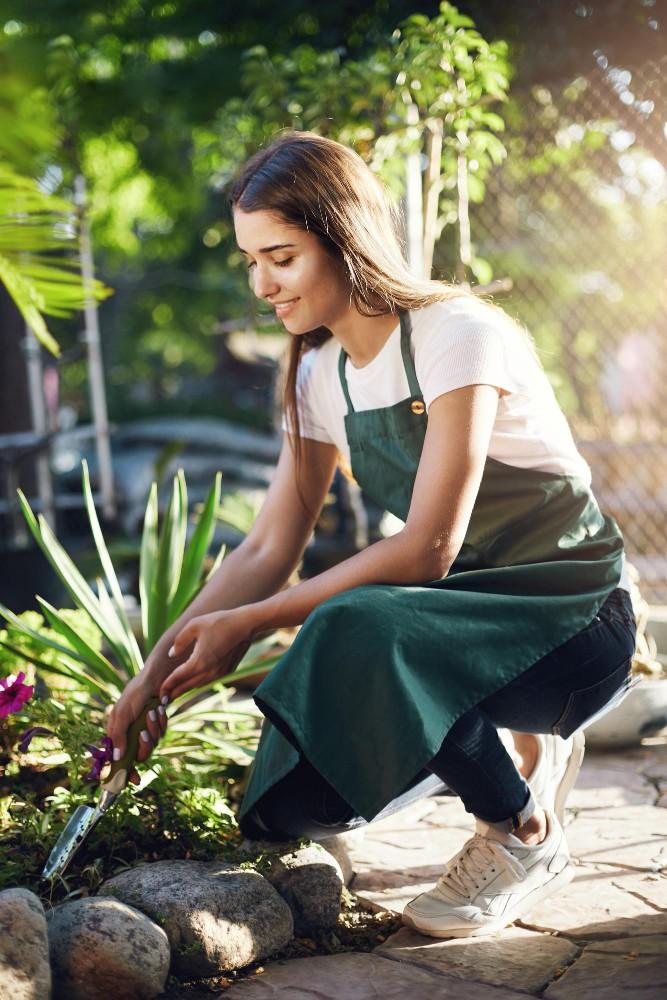
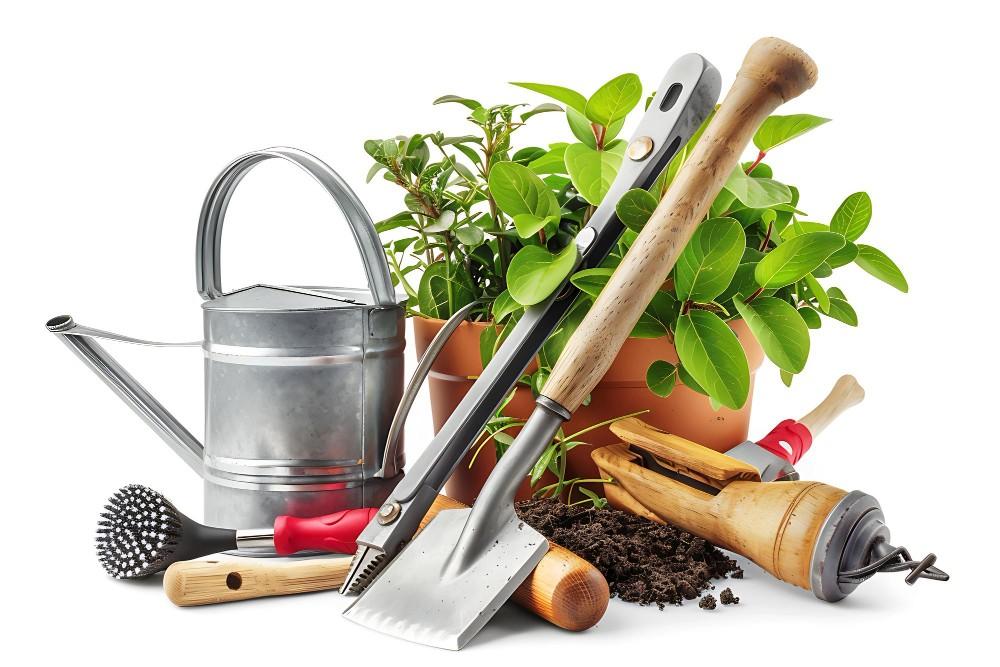
The tools you actually reach for depend entirely on how you garden — not what a list says everyone needs.
The 6 Gardener Tool Profiles
Each profile below reflects a real type of gardener and the tools that actually make sense for them. The tools listed are ones people use constantly — not once, not “nice to have,” but reach for every time they go outside.
The Container & Small-Space Gardener
Balconies, windowsills, small patios — you’ve figured out how to grow more than anyone expects from a limited footprint. Your tools need to be compact, lightweight, and precise. A full-size spade is useless to you. A good hand trowel and a targeted watering setup are not.
The Raised Bed Grower
Raised beds are your core setup — maybe one, maybe several. You’re growing vegetables seriously, you know what you planted and when, and you need tools that handle both the fine work (seeding, transplanting) and the heavier tasks (filling, turning, mulching). You don’t need everything, but the basics need to be solid.
The In-Ground Vegetable Gardener
You’re working with actual ground — rows, beds, open soil. Weeding covers real distance. Digging happens in all kinds of soil conditions. Harvests are measured in pounds, not handfuls. Your tool needs are heavier-duty and more varied than a container or raised-bed gardener, and quality matters more because these tools take more abuse.
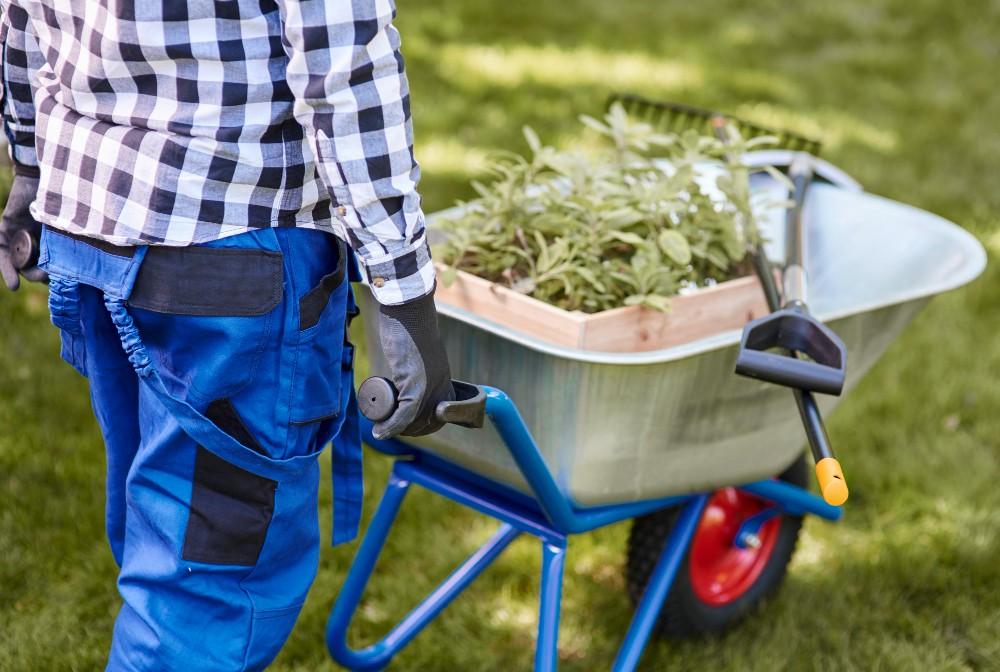
A wheelbarrow earns its place faster than almost any other tool once you’re working at ground level.
The Flower & Ornamental Gardener
You’re planting perennials, tending borders, deadheading, dividing, and shaping. The work is detail-oriented. You don’t need heavy-duty digging tools half as much as you need sharp, precise cutting tools and comfortable gear for the hours you spend crouched in borders. A bad pair of pruners will wreck your hands inside a season.
The Lawn & Yard Manager
You’re mowing, edging, trimming, and managing trees and shrubs alongside some planting beds. The tool needs here are broader — some handheld, some powered. The goal is a maintained, healthy yard with as little wasted effort as possible. The right edger and the right loppers make a substantial difference.
The All-Around Builder Gardener
You have multiple beds, possibly a compost setup, a watering system you’ve configured yourself, and a shed that’s earned its contents. You need the full toolkit — not every tool, but a reliable version of each category. At this point, quality matters more than it did in earlier seasons, because you know exactly how much you use each thing.
Common questions about garden tools
For most beginners, four tools cover 90% of what you’ll do: a hand trowel, a pair of bypass pruners, a watering can or hose with an adjustable nozzle, and a weeding tool. That’s it to start. The problem is most beginners either buy nothing and make do, or buy everything and use three things. The quiz result above tells you which specific tools match your situation — use that as your buying list, not a general “beginner toolkit” that was written for no one in particular.
For tools you use every week, yes. A cheap hand trowel bends in hard soil. Cheap pruners crush stems instead of cutting them, which stresses the plant and strains your hand. For tools you use once or twice a season, brand matters less. A good rule: spend more on anything with a blade (pruners, loppers, spades), spend less on things that are just moving material (rakes, shovels, wheelbarrows as long as the wheel is solid).
For raised bed and in-ground gardeners: the hori hori knife. It plants, weeds, divides, and cuts — most gardeners who try one stop reaching for four other tools. For container and small-space gardeners: a long-spout watering can. Watering accurately without oversoaking is the skill that saves more plants than any other. For anyone who spends hours in the garden: a good pair of gardening gloves, not the cheap cotton kind. They’re the difference between enjoying the work and dreading it.
For most home gardeners — no. A well-designed raised bed garden with good hand tools requires no powered equipment. Power tools earn their place when you’re managing significant lawn area, dealing with thick woody growth regularly, or working with clay or compacted soil over large areas. If you’re not sure, wait until you feel the limitation of hand tools before buying a powered version. Most people are surprised how little they miss the power tools they thought they needed.
Three things that matter: keep blades clean and dry (wipe after use), oil metal parts occasionally (a rag with linseed oil takes 30 seconds), and hang tools rather than standing them blade-down in dirt. A sharp spade is twice as useful as a dull one — a file takes two minutes to touch up an edge. Tools kept this way last decades. Cheap tools left in the rain don’t last seasons.