Skip to content
-
Subscribe to our newsletter & never miss our best posts. Subscribe Now!
TWC Gardening

Your guide to better gardening through top-rated products.

TWC Gardening

Your guide to better gardening through top-rated products.

  • Home
  • Garden Planning
    • Vegetable Garden ROI Calculator
    • Square Foot Garden Planner
    • Raised Bed Build Cost Estimator
  • Soil & Compost
    • Raised Bed Soil Calculator
    • Mulch Coverage Calculator
    • Compost Ratio Calculator
  • Seeds & Planting
    • Planting Date Calculator
    • Frost Date Calculator
    • Seed Spacing Calculator
    • Seed Viability Calculator
    • Vegetable Harvest Date Calculator
    • Hardening Off Schedule Calculator
    • Vegetable Seed Calculator
    • Growing Degree Days Calculator
    • Plant Hardiness Zone Finder by ZIP Code
    • Vegetable Row Spacing Calculator
  • Watering System
    • Garden Water Requirement Calculator
    • Drip Irrigation Flow Calculator
  • Plant Care
    • Fertilizer NPK Calculator
  • Harvest & Landscape
    • Vegetable Garden Yield Estimator
  • Dashboard
  • All Subjects
  • Science
  • Math
  • Home
  • Garden Planning
    • Vegetable Garden ROI Calculator
    • Square Foot Garden Planner
    • Raised Bed Build Cost Estimator
  • Soil & Compost
    • Raised Bed Soil Calculator
    • Mulch Coverage Calculator
    • Compost Ratio Calculator
  • Seeds & Planting
    • Planting Date Calculator
    • Frost Date Calculator
    • Seed Spacing Calculator
    • Seed Viability Calculator
    • Vegetable Harvest Date Calculator
    • Hardening Off Schedule Calculator
    • Vegetable Seed Calculator
    • Growing Degree Days Calculator
    • Plant Hardiness Zone Finder by ZIP Code
    • Vegetable Row Spacing Calculator
  • Watering System
    • Garden Water Requirement Calculator
    • Drip Irrigation Flow Calculator
  • Plant Care
    • Fertilizer NPK Calculator
  • Harvest & Landscape
    • Vegetable Garden Yield Estimator
  • Dashboard
  • All Subjects
  • Science
  • Math
Close

Search

  • https://www.facebook.com/
  • https://twitter.com/
  • https://t.me/
  • https://www.instagram.com/
  • https://youtube.com/
Subscribe
Cedar vs Pine Raised Bed: Real Cost Over 10 Years
GuidesRaised Bed Gardening

Cedar vs Pine Raised Bed: Real Cost Over 10 Years

By TWC
เมษายน 26, 2026 6 Min Read
ปิดความเห็น บน Cedar vs Pine Raised Bed: Real Cost Over 10 Years
Cedar vs Pine Raised Bed: Real Cost Over 10 Years
Issue 05 · Raised Bed Materials

Cedar or Pine Raised Bed The real cost over 10 years — done with honest math.

By the TWC Gardening Editors 9 min read Updated this season
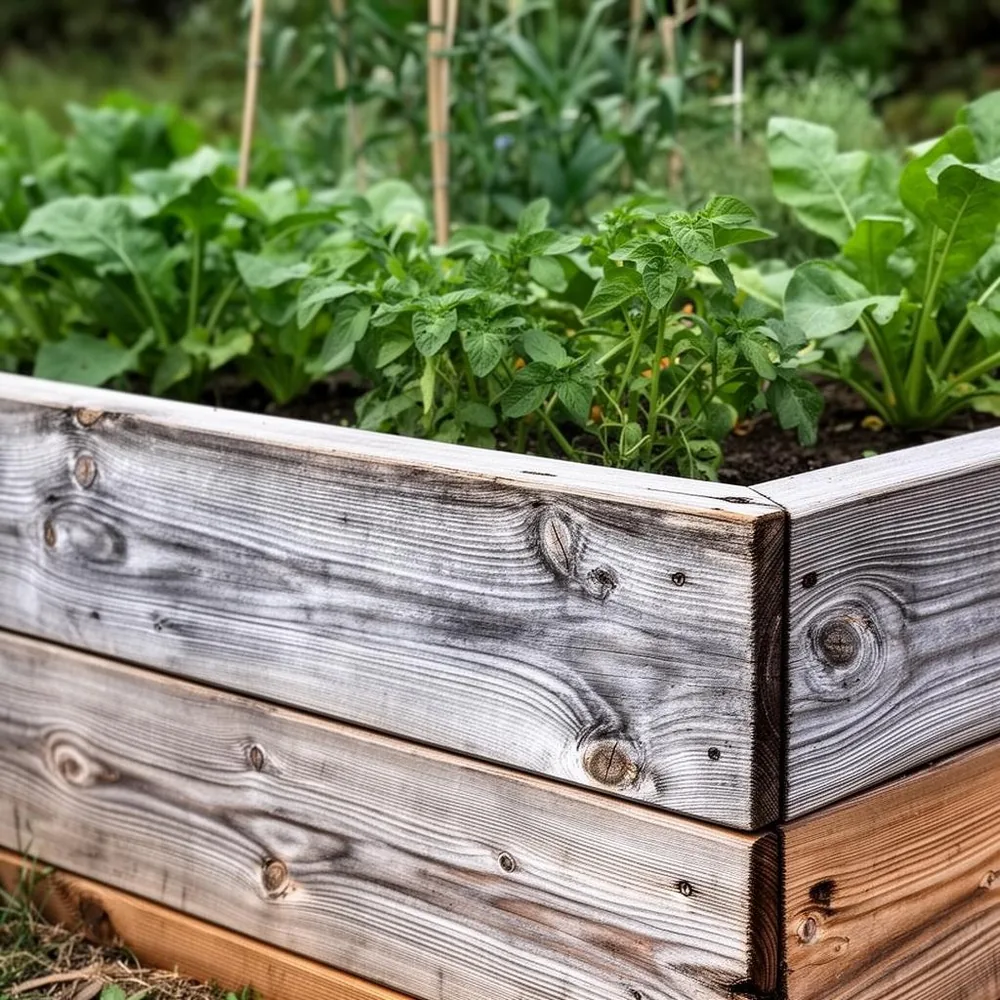
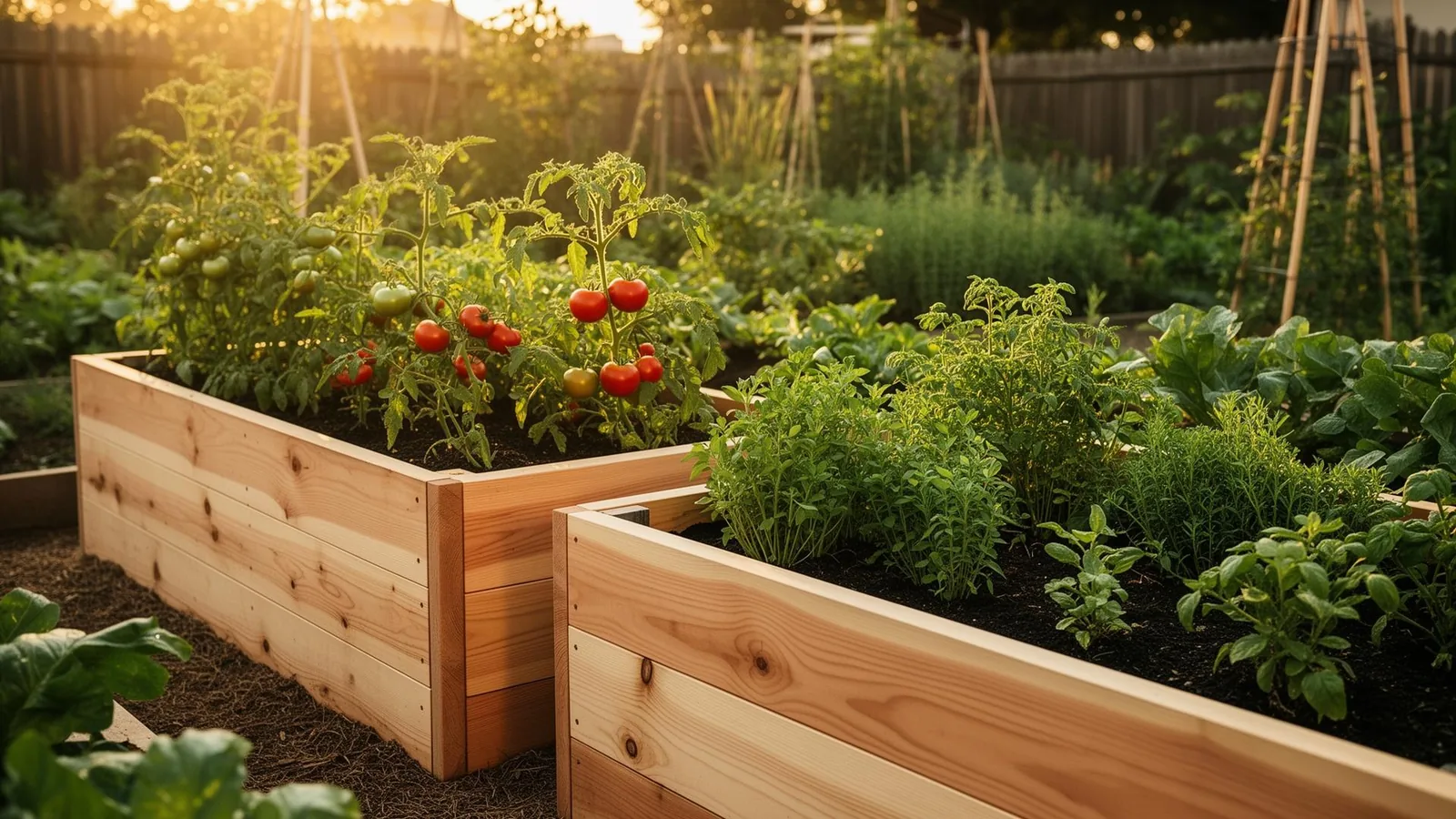
A weathered cedar raised garden bed beside a newer pine bed in a backyard vegetable garden
The short answer

Pine wins on day one. Cedar wins by year four — and keeps winning every year after that.

Over a decade, cedar costs about 30% less per year than pine. The catch is the upfront price. Here’s the full math, no hand-waving.

01 — Editor’s Picks

Our top picks before you read further

IBest Cedar Bed

Greenes Cedar Raised Bed

Western red cedar · 4×8 ft · Tool-free assembly

View on Amazon
IIBest Pine Kit

Best Choice Pine Bed Kit

Untreated pine · Lowest cost per square foot

View on Amazon
IIIBest Sealer

Eco Wood Treatment

Food-safe · One-coat · Doubles pine lifespan

View on Amazon
02 — The Basics

What’s actually different between cedar and pine

Both are softwoods. Both are inexpensive compared to hardwoods. Both work for raised beds. The difference is what happens after a few wet seasons — and that difference shows up in your wallet five, six, seven years down the line.
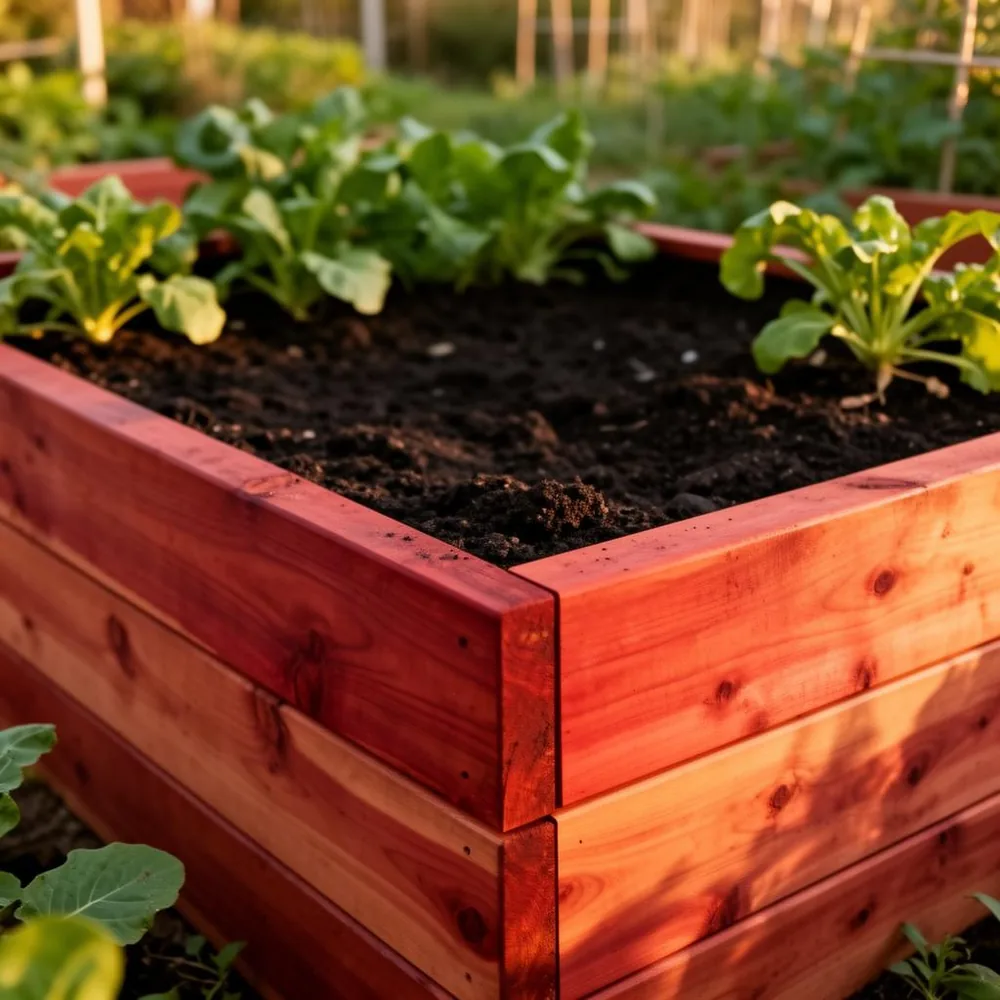
Western red cedar raised bed with rich grain and natural reddish color
CedarNaturally rot-resistant oils and tannins. Lasts 10–15 years untreated. $200–350 for a 4×8 bed.
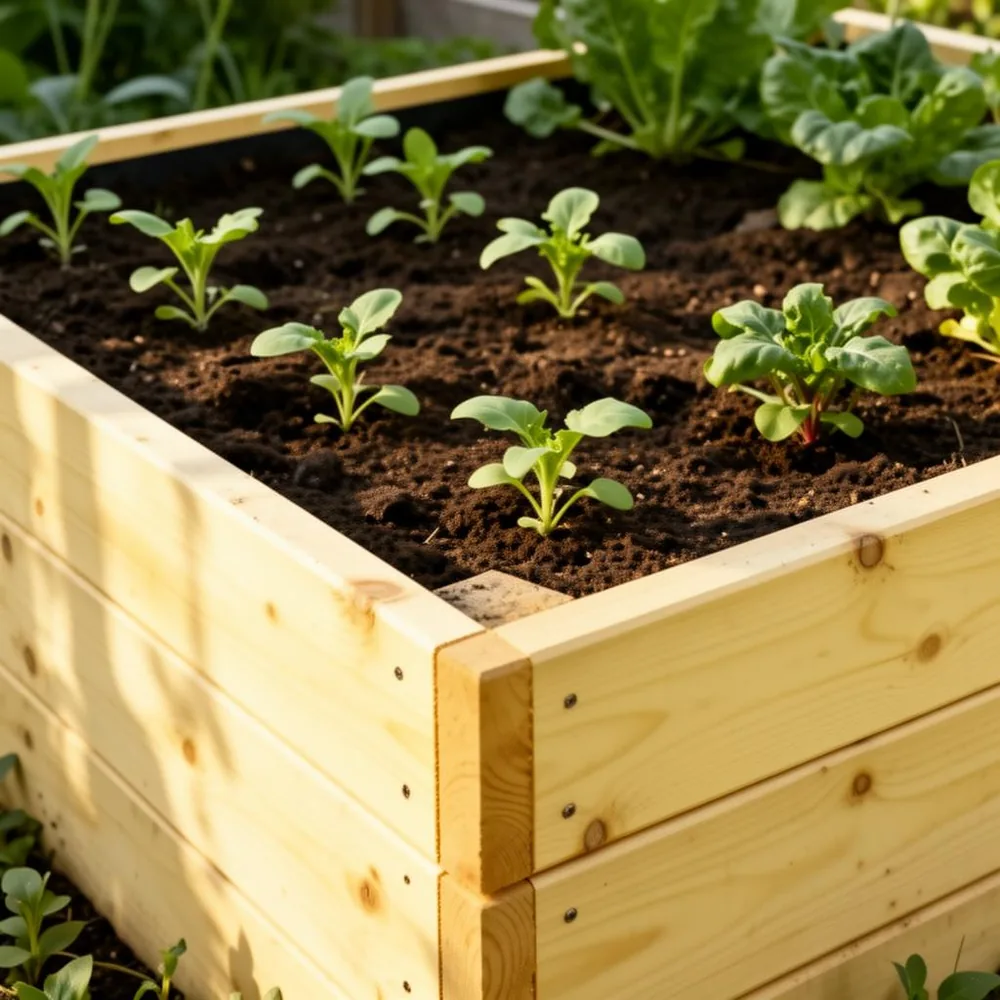
Untreated pine raised bed in a vegetable garden, light-colored fresh wood
PineNo natural rot resistance. Lasts 3–5 years untreated, 5–8 years sealed. $60–120 for the same 4×8 bed.

The real question isn’t “which costs less?” It’s “which costs less per year you actually use it?”

03 — Side by Side

The 10-year cost comparison

FactorPine (untreated)Cedar
Upfront cost · 4×8 bed
✓$60–120
×$200–350
Lifespan in wet climate
×3–5 years
✓10–15 years
Lifespan in dry climate
×5–7 years
✓15–20 years
Cost per year (10-year span)
×$24–40 / year
✓$20–35 / year
Replacements over 10 years
×2–3 times
✓0 times
Soil disturbance
×Every replacement = rebuild
✓Soil ecosystem stays intact
Resistance to insects
×Termites & carpenter ants love it
✓Natural insect repellent
Weight (per 8 ft 2×10 board)
✓~22 lbs · easy to handle
×~26 lbs · slightly heavier
Splitting / warping
×Common after 2 winters
✓Rare — tighter grain
Appearance over time
×Grays, then darkens unevenly
✓Silvers gracefully
Availability at big-box stores
✓Everywhere · always in stock
×Hit or miss · order ahead
A 7-year-old weathered cedar raised bed with silvered patina, full of tomato plants
04 — The Real Reason

Why cedar actually wins the math

Here’s the part most articles skip. When pine boards rot, you don’t just replace the wood. You empty the bed, save the soil in tarps, dismantle the rotten frame, build a new one, and refill it.

That’s a full weekend of work, and your soil ecosystem — the worms, the mycelium, the soil structure you’ve spent years building — gets disrupted every single time.

A 4×8 cedar bed at $300 lasts 12+ years with zero maintenance. To match that with pine, you’ll buy 2–3 pine beds ($180–360 in lumber) plus spend two or three weekends rebuilding. The “cheap” option isn’t cheap once you count your Saturday mornings.

Cedar isn’t more expensive. It’s more expensive once.

05 — Make Your Choice

Which one is right for you?

◆ Choose Pine

When you’re testing the waters.

  • You’re brand new to gardening and not sure you’ll stick with it
  • You’re renting and don’t know how long you’ll stay
  • You want to try a 4×4 bed before committing to a full garden
  • You live in a dry climate (zone 3–6 west of the Rockies)
Bed Kit
Best Choice Pine Bed Kit
Untreated · Pre-cut · Assembles in an hour
Sealer
Eco Wood Treatment
Adds 2–3 years · Food-safe · One coat
Editor’s pick
◆ Choose Cedar

When you’re in it for the long haul.

  • You own your home and plan to stay 5+ years
  • You live anywhere humid, rainy, or with hard winters
  • You’re building 2 or more beds — the math works even faster
  • You don’t want to rebuild a garden bed in 2030
Bed Kit
Greenes Cedar Raised Bed
Western red cedar · Tool-free · 4×8 ft
Hardware
Steel Corner Brackets
For DIY cedar builds · Stainless · 4-pack
Pro tip — never use pressure-treated lumber: Modern PT wood (post-2003 ACQ-treated) is technically labeled safe for garden contact, but the copper compounds still leach into soil over time. For food crops, stick with untreated pine, cedar, or redwood. The few extra dollars are worth not eating copper. View untreated boards →
06 — A Practical Path

Start with one cedar bed. You’ll thank yourself in 2030.

If budget forces the choice, here’s the honest advice: build one cedar bed instead of two pine beds. You’ll have less square footage your first year, but you won’t be rebuilding it the year your kid starts middle school.

If you already have pine beds and they’re starting to soften — don’t panic. Pine usually rots from the bottom corners up. Replace the bottom course with cedar, brace the corners, and you can buy yourself another 3–4 years.

$24
Pine, per year (4-year life, $96 bed)
$20
Cedar, per year (12-year life, $240 bed)
~17%
Cedar’s annual cost advantage over a decade

And if you’re handy: a DIY cedar bed from rough-sawn 2×10s at a local mill runs $140–180 instead of $300+. That’s the cheapest long-term raised bed money can buy.

07 — Frequently Asked

Common questions

Is cedar really worth 3× the price of pine?
If you’ll garden for more than 5 years, yes. A $300 cedar bed lasts 12+ years. To match that with pine you’ll spend $200–360 in lumber over the same span — plus rebuild it 2–3 times. Cedar wins on cost and labor.
Can I extend pine’s lifespan with a sealer?
Yes — a food-safe sealer like Eco Wood Treatment or raw linseed oil adds 2–3 years. Apply it to all surfaces (especially the bottom edge that touches soil) before assembly, and re-coat the outside every 2 years. View food-safe sealers →
What about redwood — is it better than cedar?
Marginally. Redwood lasts about as long as cedar (10–15 years) and looks similar after weathering. The main difference is price and availability — redwood is roughly 20% more expensive and harder to find outside the West Coast. If you can get it locally for cedar prices, buy it. Otherwise cedar is the better value.
Should I line a cedar bed with plastic?
No. Plastic traps moisture against the wood and accelerates rot — which defeats the whole point. If you want to slow contact between soil and wood, line only the inside walls (not the bottom) with landscape fabric. Cedar’s natural oils handle moisture fine on their own.
Can I stain or paint cedar to keep its color?
You can, but it’s mostly cosmetic. Cedar’s silver patina actually protects the wood — it’s a natural UV barrier. If you want to keep the warm reddish-brown color, use a UV-blocking exterior oil (not a film-forming stain) and reapply every 2–3 years. Most gardeners give up by year three and let it silver.
What size cedar boards should I use for a 4×8 bed?
2×10s (1.5 inches thick, 9.25 inches tall) are the sweet spot. Two stacked gives you ~18 inches of soil depth — enough for almost any vegetable. Skip 2×6s; they warp faster and you’ll end up double-stacking anyway. View cedar 2×10s →
In closing

The bottom line.

If you’re testing whether you actually like gardening — buy pine, build small, and don’t lose sleep over it. A $90 pine 4×4 bed is a perfectly reasonable way to find out if growing tomatoes is your thing.

If you already know you’re a gardener — or you’re building 2+ beds, or you live east of the Mississippi where humidity eats wood — buy cedar once. Build it well. Plant it deep. And then forget about the bed itself for a decade while you focus on what’s growing inside it.

The best raised bed is the one you don’t have to think about. That’s almost always cedar.

Links on this page go to Amazon. TWC Gardening earns a small commission on purchases at no extra cost to you. We only recommend products we’d actually use.

Author

TWC

Written by TWC Gardener – A real farmer running a plant shop and farm for nearly 10 years, growing mangoes, durians, roses, and herbs myself. My day job's stressful, but the garden's my escape. I dig into real user reviews to share honest insights on tools like hoop kits – no hype, just helpful tips to grow without regrets.

Follow Me
Other Articles
Drip Irrigation vs Soaker Hose for Raised Beds: Which One Actually Works?
Previous

Drip Irrigation vs Soaker Hose for Raised Beds: Which One Actually Works?

Next

The Power of Morning Routines

Hey there! ’I’m TWC - a part-time gardener who loves getting my hands dirty with mangoes, durians, roses, and herbs. I used to run a small plant and garden supply shop and I’ve spent over ten years growing mangoes and learning the craft firsthand. I’m always exploring, experimenting, and sharing what really works. My day job can be hectic, but the garden keeps me grounded. I enjoy testing tools, trying new ideas, and writing honest reviews to help others grow with confidence.

Recent Posts

  • The Power of Morning Routines
  • Cedar vs Pine Raised Bed: Real Cost Over 10 Years
  • Drip Irrigation vs Soaker Hose for Raised Beds: Which One Actually Works?
  • What Type of Raised Bed Is Right for You? (+ The Right Build for Your Yard)
  • What’s Your Watering Style? (+ The Right Tools)
  • What Gardening Tools Do You Actually Need? [Take the Quiz]
  • What Should I Plant in My Backyard? Find Out in 5 Choices
  • What Type of Lawn Mower Do You Actually Need? (Find Out in 4 Questions)
  • Are You Planting at the Right Time or Just Guessing?
  • What Type of Gardener Are You? Take the Quiz

Categories

  • Gardening Care
  • Guides
  • Quiz
  • Raised Bed Gardening
  • Uncategorized
Copyright 2026 — TWC Gardening. All rights reserved. Blogsy WordPress Theme