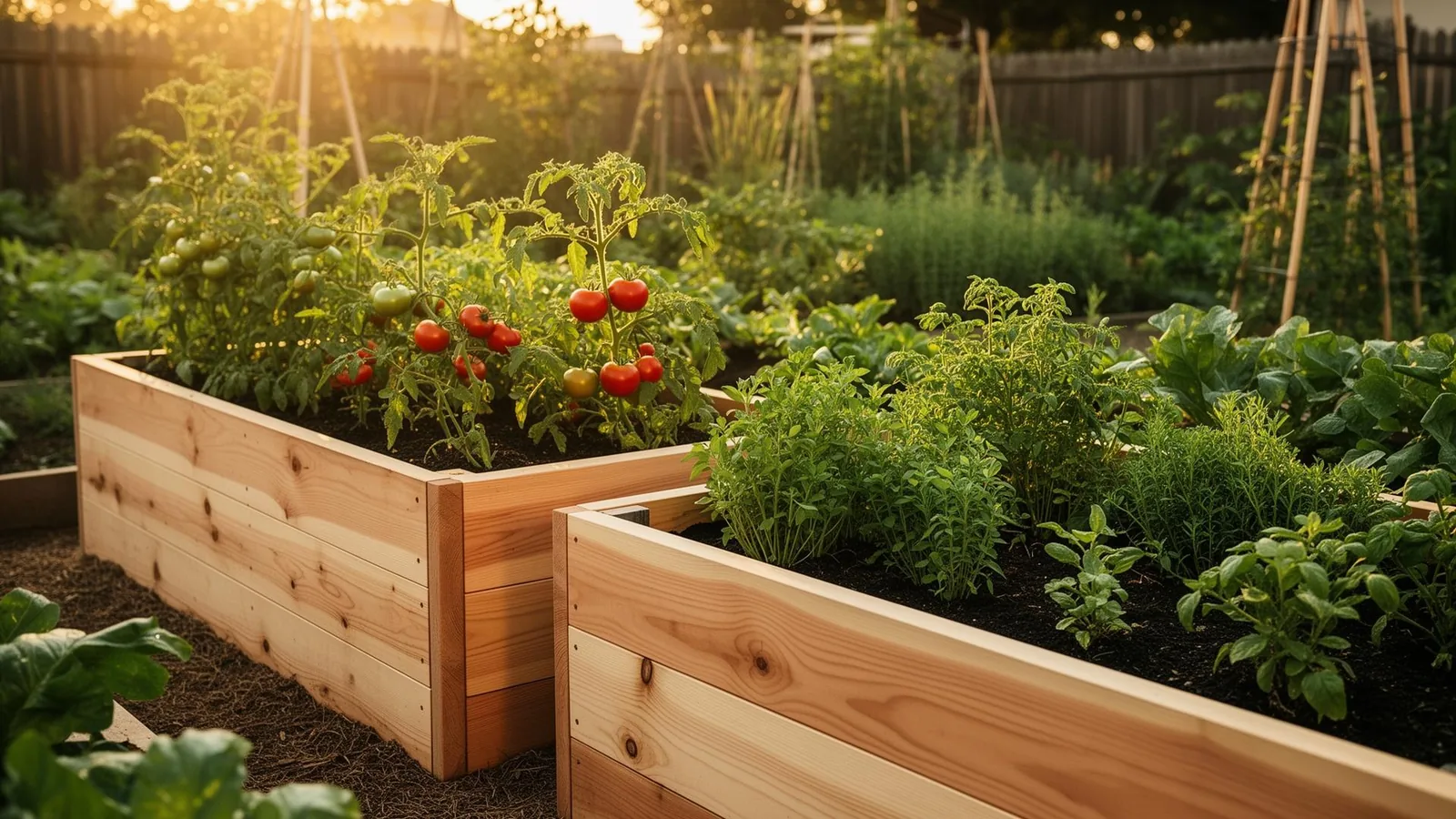
Cedar vs Pine Raised Bed: Real Cost Over 10 Years
Cedar vs Pine Raised Bed: Real Cost Over 10 Years
Cedar or Pine Raised Bed The real cost over 10 years — done with honest math.
Pine wins on day one. Cedar wins by year four — and keeps winning every year after that.
Over a decade, cedar costs about 30% less per year than pine. The catch is the upfront price. Here’s the full math, no hand-waving.
Our top picks before you read further
What’s actually different between cedar and pine
Both are softwoods. Both are inexpensive compared to hardwoods. Both work for raised beds. The difference is what happens after a few wet seasons — and that difference shows up in your wallet five, six, seven years down the line.
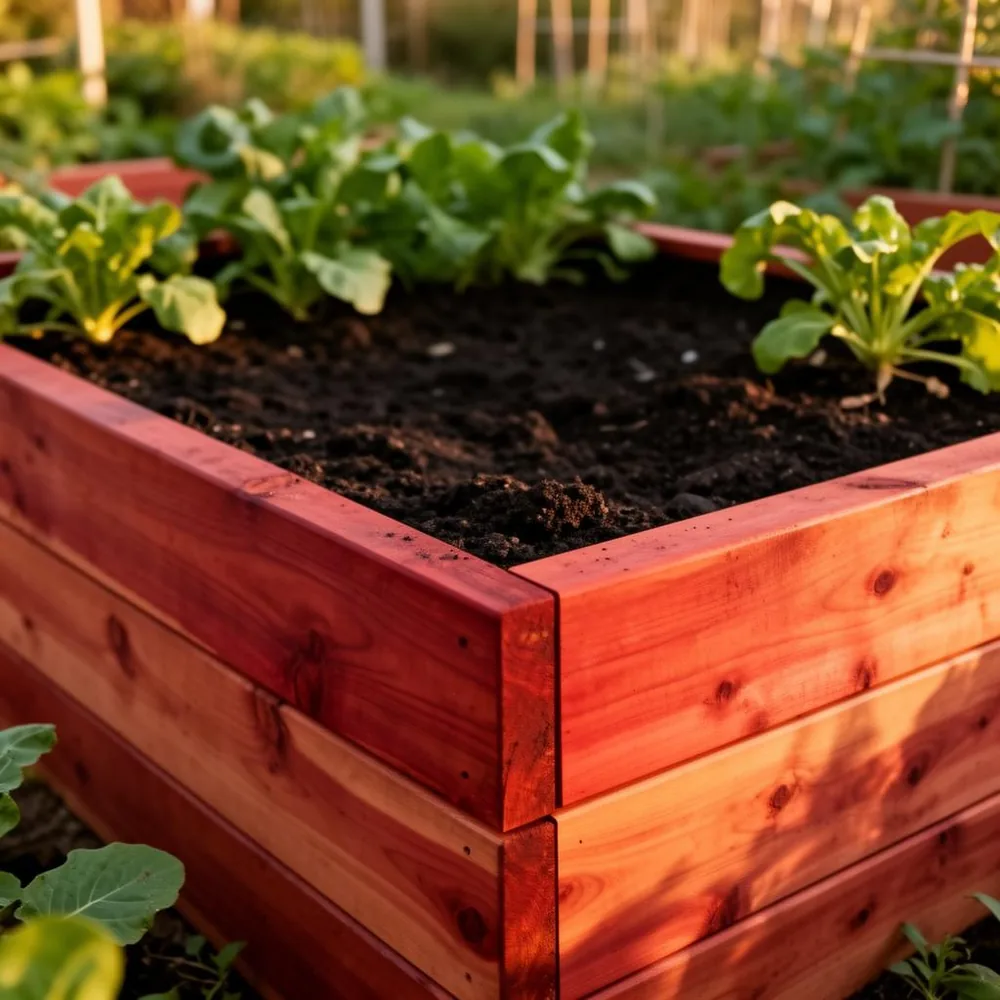
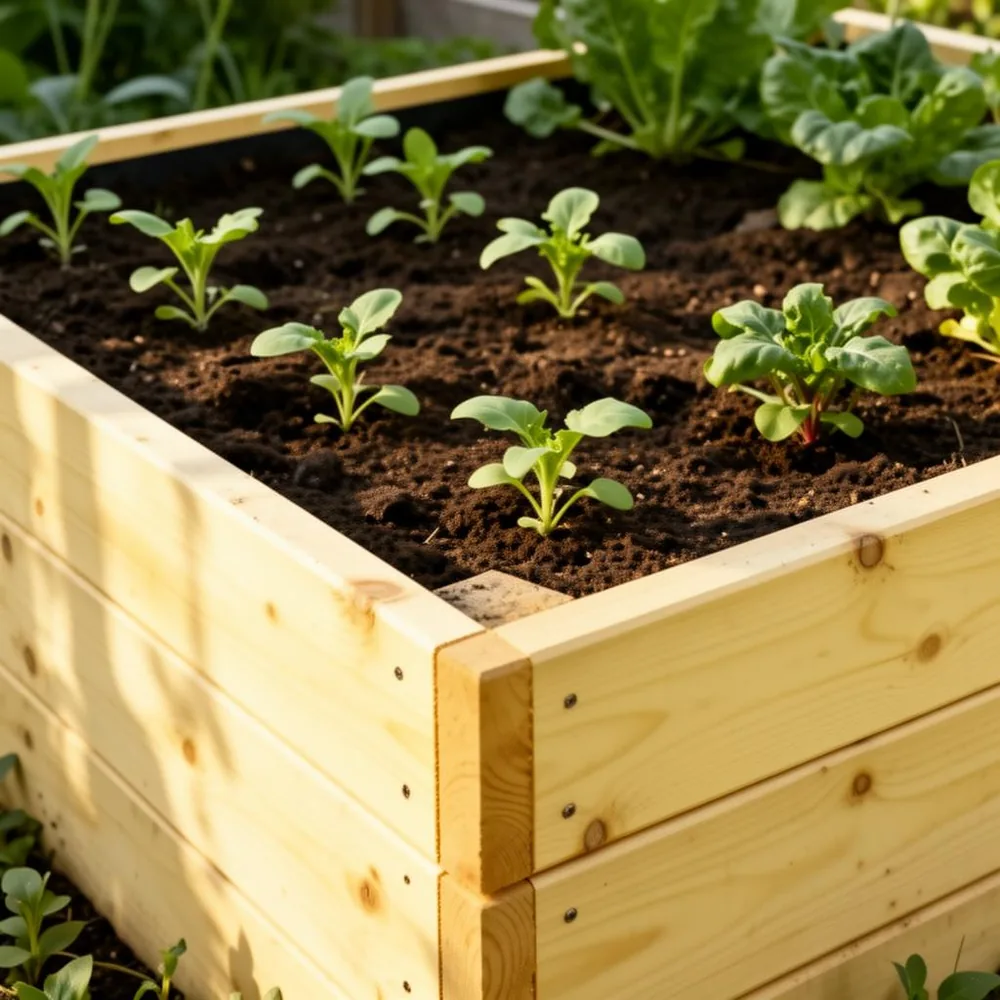
The real question isn’t “which costs less?” It’s “which costs less per year you actually use it?”
The 10-year cost comparison
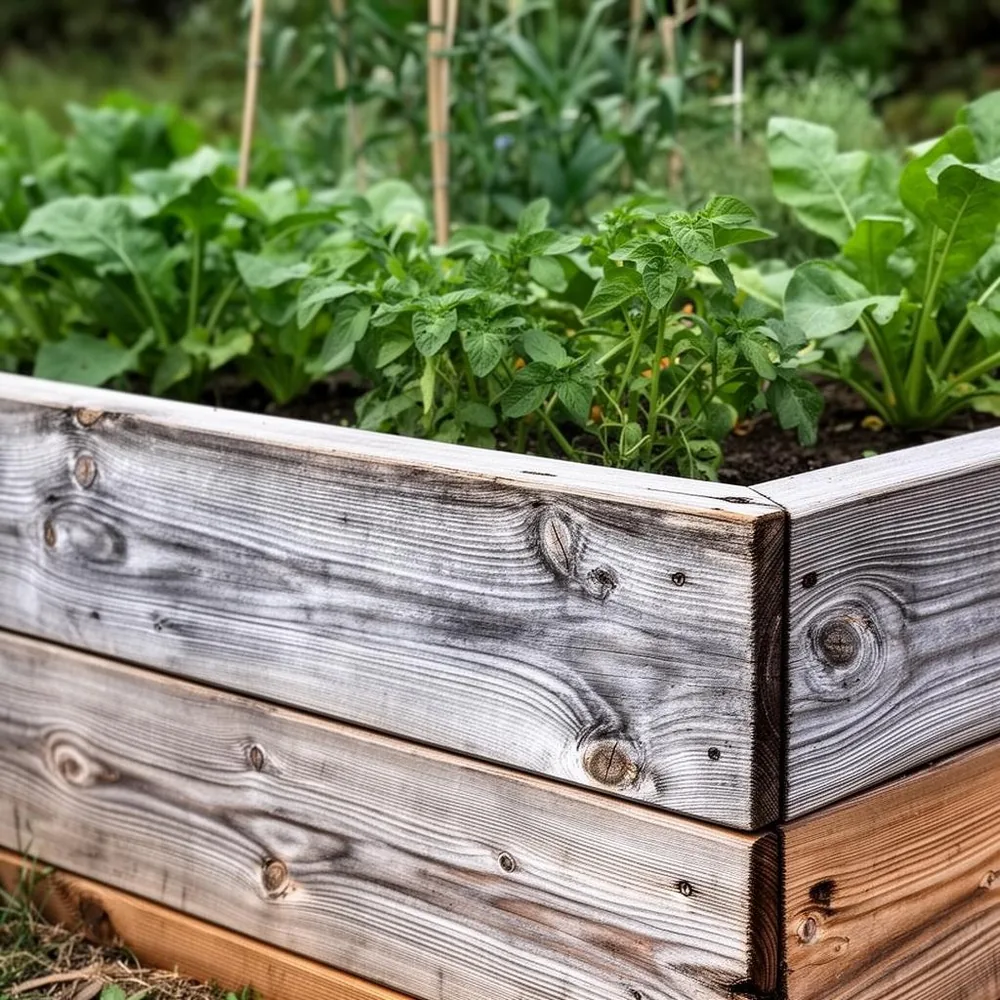
Why cedar actually wins the math
Here’s the part most articles skip. When pine boards rot, you don’t just replace the wood. You empty the bed, save the soil in tarps, dismantle the rotten frame, build a new one, and refill it.
That’s a full weekend of work, and your soil ecosystem — the worms, the mycelium, the soil structure you’ve spent years building — gets disrupted every single time.
A 4×8 cedar bed at $300 lasts 12+ years with zero maintenance. To match that with pine, you’ll buy 2–3 pine beds ($180–360 in lumber) plus spend two or three weekends rebuilding. The “cheap” option isn’t cheap once you count your Saturday mornings.
Cedar isn’t more expensive. It’s more expensive once.
Which one is right for you?
When you’re testing the waters.
- You’re brand new to gardening and not sure you’ll stick with it
- You’re renting and don’t know how long you’ll stay
- You want to try a 4×4 bed before committing to a full garden
- You live in a dry climate (zone 3–6 west of the Rockies)
When you’re in it for the long haul.
- You own your home and plan to stay 5+ years
- You live anywhere humid, rainy, or with hard winters
- You’re building 2 or more beds — the math works even faster
- You don’t want to rebuild a garden bed in 2030
Start with one cedar bed. You’ll thank yourself in 2030.
If budget forces the choice, here’s the honest advice: build one cedar bed instead of two pine beds. You’ll have less square footage your first year, but you won’t be rebuilding it the year your kid starts middle school.
If you already have pine beds and they’re starting to soften — don’t panic. Pine usually rots from the bottom corners up. Replace the bottom course with cedar, brace the corners, and you can buy yourself another 3–4 years.
And if you’re handy: a DIY cedar bed from rough-sawn 2×10s at a local mill runs $140–180 instead of $300+. That’s the cheapest long-term raised bed money can buy.
Common questions
Is cedar really worth 3× the price of pine?
Can I extend pine’s lifespan with a sealer?
What about redwood — is it better than cedar?
Should I line a cedar bed with plastic?
Can I stain or paint cedar to keep its color?
What size cedar boards should I use for a 4×8 bed?
The bottom line.
If you’re testing whether you actually like gardening — buy pine, build small, and don’t lose sleep over it. A $90 pine 4×4 bed is a perfectly reasonable way to find out if growing tomatoes is your thing.
If you already know you’re a gardener — or you’re building 2+ beds, or you live east of the Mississippi where humidity eats wood — buy cedar once. Build it well. Plant it deep. And then forget about the bed itself for a decade while you focus on what’s growing inside it.
The best raised bed is the one you don’t have to think about. That’s almost always cedar.
Links on this page go to Amazon. TWC Gardening earns a small commission on purchases at no extra cost to you. We only recommend products we’d actually use.